Consulting from Berlin. For Organizations, Teams & People.
Advisors you can talk to.
Grounded in systems theory.
For the right blend of personal connection and professional know-how.
Consulting from Berlin. For Organizations, Teams & People.
Advisors you can talk to.
Grounded in systems theory.
For the right blend of personal connection and professional know-how.
We are consultants based in the beautiful city of Berlin. Under our roof we bring together consultants with a special perspective on organizations: We view organizations as social systems that depend on communication and decision. The underlying theoretical framework enables a complex and productive view on topics like change, structures, processes and leadership. We are supported by a dedicated team and a diverse professional network.
For our clients, we create professional and organisational development with a personal touch. With us, you will acquire and deepen the competence to understand organisational challenges in a differentiated way and to shape change processes accordingly.
To this end, we offer theoretically grounded perspectives on organisations and apply proven methods and approaches for systemically supported change. We are open to your individual needs and are happy to develop creative interventions and solution approaches with you.
The aim of our work is to enable you to deal appropriately with the complexity of your relevant environment and with the tensions between differing goals and values. The basis for this is communication that can hold tensions, does not exclude, and fosters the development of resilient relationships. In this way, our wide-ranging knowledge of organisations can have a targeted impact for you.
How do we work? What sets our consulting apart from other consultancies? Below, we would like to answer some questions about our services.
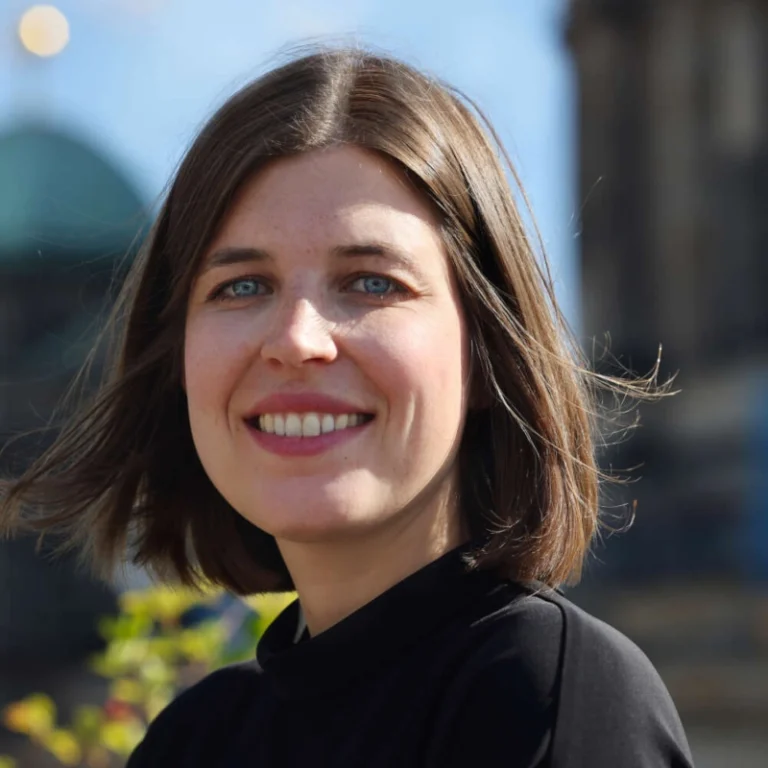
Meine Arbeit dreht sich um Transformation auf allen Ebenen: Teams, Fabriken, Standorte – international und deutschsprachig. Ich biete eine vielseitige und belastbare Verknüpfung von Industrieerfahrung und systemischen Beratungskonzepten.
Im Jahr 2019 übernahm ich die Standortleitung für Novartis in Marburg. Unter meiner Leitung wurde mit BioNTech Europas größte Produktionsstätte für pandemischen mRNA-Impfstoffe aufgebaut und in Betrieb genommen – Transformation in Echtzeit, mit einem nie da gewesenen Impfstoff-Ausstoß/ Zeiteinheit. Stabilität in der Krise.
Nach einer systemischen Ausbildung im Jahre 2025 entschied ich mich bewusst dafür, künftig als Coach, Berater und Teamentwickler in Hochleistungsteams zu arbeiten.
Meine Kernkompetenzen liegen in der systemischen Organisationsentwicklung, im Change Management und in der Leadership-Entwicklung. Ich begleite Teams und Führungskräfte dabei, Standort- und Organisationsstrukturen so zu gestalten, dass sie flexibel, leistungsfähig und resilient werden. Dabei setze ich auf eine Zusammenarbeit, die kulturelle Unterschiede wahrnimmt und in tragfähige, gemeinsam getragene Lösungen übersetzt.
Viele Jahre in exponierten Rollen wie Geschäftsführer, Standortleiter, globale C-Level Positionen haben mich vor allem eines gelehrt: Ohne eine wirksame, vertrauensvolle Verbindung zum wichtigsten Kapital eines Unternehmens – den Menschen – sind Spitzenleistungen kaum denkbar. Mitarbeitende mitzunehmen, zu begeistern und einzubinden, ihnen die Beziehung zwischen Vision, Strategie und Organisation greifbar zu machen, prägte meinen Führungs- und Kommunikationsstil.
Ich unterstütze Organisationen dabei, Zusammenarbeit zu gestalten – denn in meinen Augen hebt erst gute Zusammenarbeit das gesamte Potential einer Organisation. Das betrifft sowohl die persönliche Zusammenarbeit von Menschen als auch die Strukturen der Organisation.
Mein Fokus liegt dabei auf Projekten. Organisationen sichern über Veränderungen ihre Zukunftsfähigkeit ab und eine geplante Veränderung wird meist als Projekt umgesetzt. Dabei kommen viele Herausforderungen zusammen, die ich gern mit den Betroffenen gemeinsam gestalte: Die strategische Herausforderung inhaltlich zu fassen, die richtige Vorgehensweise zu finden, Projektkultur zu gestalten, mit Widerständen umzugehen und nicht zuletzt in der Gesamtorganisation mehr organisationale Ambidextrie zu entwickeln. Diese Aufgabe involviert sowohl Führungkompetenz als auch Organisationsentwicklung, die ich unter einer systemischen Perspektive zusammenbringe. Klassische, agile und hybride Projektmanagement-Ansätze sind meine Kernkompetenz. Meine Leidenschaft ist es, sie in Training und Beratung lebendig, interessant und zielgruppengerecht zu vermitteln.
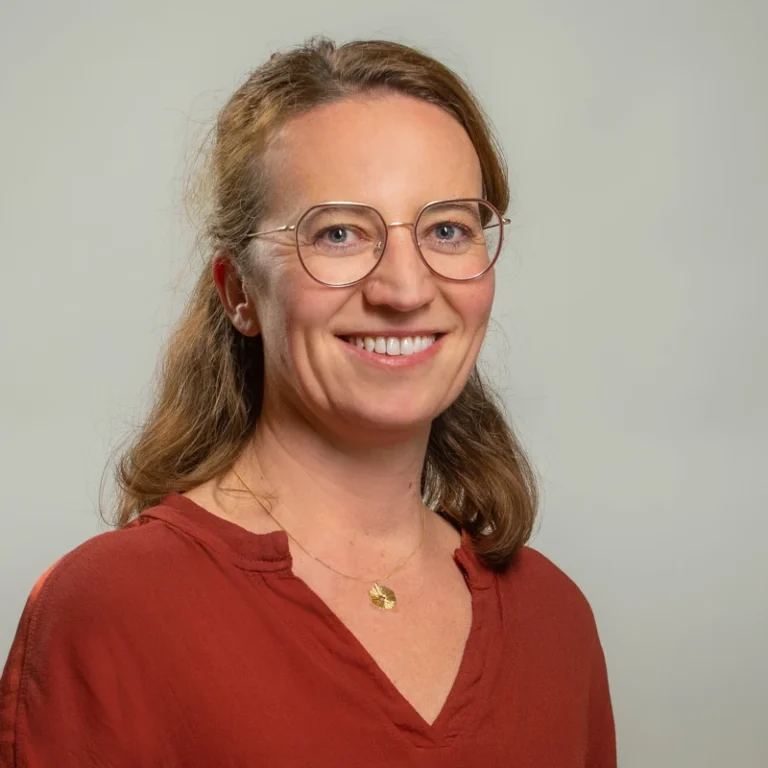
Systemische Organisationsberaterin, Moderatorin, Coach
Organisationsberatung, Führungs- und Teamentwicklung

Systemischer Innovationsberater für analoge Veränderungsprozesse in die digitale Zukunft
Design Thinking und LEGO SERIOUS PLAY, Workshopsleitung und Moderation, Stärkung der Innovationskraft von Organisationen

Organisationsberaterin, Diplom Sozialarbeiterin, Systemische Supervisorin (DGSv), Einzel-, Paar- und Familientherapeutin (DGSF)
Organisationsberatung, Supervision, Leitungs- und Vorstandsarbeit im Bereich gegen sexualisierte Gewalt
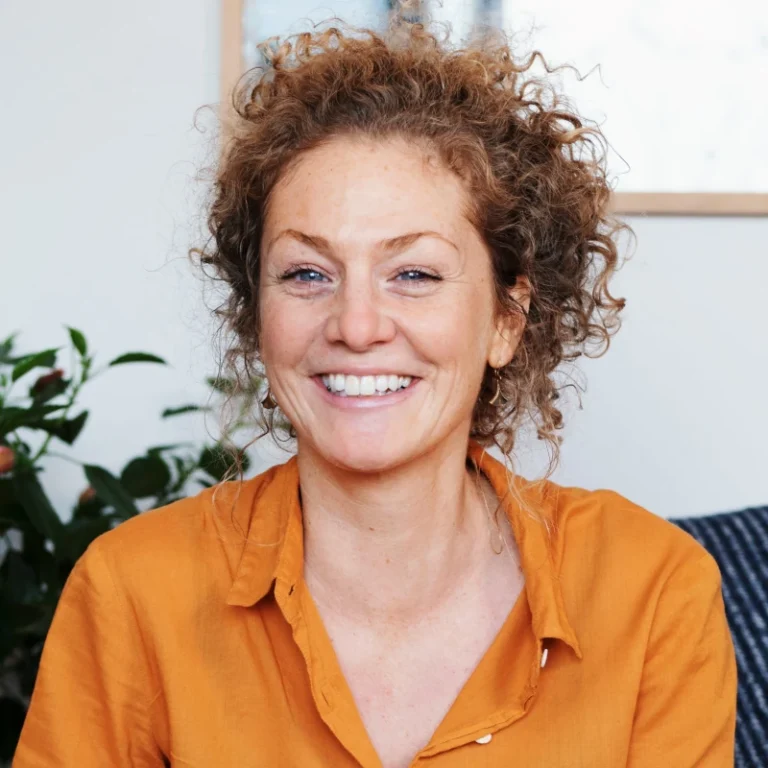
Diplom-Soziologin, gruppendynamische Trainerin, Coach
Gruppendynamik, Supervisionen, Coaching sowie rassismuskritische & diskriminierungssensible Bildungsarbeit

Diplom-Psychologin, Lehrende für Systemische Organisationsentwicklung und Systemisches Coaching, Supervisorin
Führungskräftecoaching und -training, Resilienz, Organisationsentwicklung

Systemische Organisationsberaterin, Diplom Pädagogin, Qualitätskoordinatorin, Moderatorin
Organisationsberatung, Coaching und Moderation, Weinsemiare in Verbindung mit Systemtheorie und Gender

Supervisorin (DGsV), Systemische Beratung und Prozessbegleitung (SG), Diversitykompetenz (univ.)
Supervision, Beratung, Training und Prozessbegleitung, Arbeitsschwerpunkte: Diversity, Gleichstellung und Antidiskriminierung, inclusive leadership

Systemische Organisationsberaterin, Moderatorin, Coach
Organisationsentwicklung, Führungs- und Teamentwicklung, Prozessberatung in Transformationsprozessen, Strategieentwicklung

Diplom-Betriebswirtin, Coach, Organisationsberaterin
Personal- und Führungskräftentwicklung, Coaching, Training, Agiles Lernen, Begleitung von OKR-Prozessen

Wirtschaftswissenschaftler, Managementforscher, Dozent, Berater
Führungskräftecoaching und -training, Prozessberaterung in Transformationsprozessen, Businessmoderation

Systemische Organisationsberaterin; Trainerin, Juristin, Coach
Entwicklung von Organisationen und Führungskräften, Interkulturelle Zusammenarbeit, Strategieentwicklung

Großgruppenbegleitung, Recherche & Datenanalyse
Mail: vincent.bonk@sifb.de
Tel: +49 30 35126072
Klarheit schaffen, Veränderung gestalten, Potenziale entfalten: Das möchte ich mit meiner Arbeit erreichen.
Dafür begleite ich Organisationen, Teams und Einzelpersonen – oft in Phasen, in denen Strategie, Kultur und Zusammenarbeit neu ausgerichtet werden und Entscheidungen unter Unsicherheit getroffen werden müssen.
Ich gestalte Prozesse und schaffe Räume, in denen Menschen über Hierarchie- und Funktionsgrenzen hinweg in konstruktiven Austausch kommen und zu tragfähigen Lösungen finden. Ob Kommunalverwaltung, Non-Profit-Organisation oder DAX-Konzern: Ich arbeite kontextsensibel, ziel- und prozessorientiert. Fundiertes Vorgehen und psychologische Sicherheit sind mir besonders wichtig.
Dabei treibt mich eine große Neugierde an: Ich beobachte, um besser zu verstehen und gezielt zu intervenieren. Eine systemische Haltung, mit der ich meine Außenperspektive als Beraterin oder Coach zur Verfügung stelle, um die Handlungsspielräume meiner Kund*innen zu vergrößern.
Mein interdisziplinärer Hintergrund macht mich praxisnah und lässt mich aus einem breiten Methodenfundus schöpfen.
Besonderes Augenmerk lege ich darüber hinaus auf Kommunikation: Wie Veränderung erzählt und verhandelt wird, entscheidet mit, ob sie gelingt. Strategische Kommunikation – intern wie extern – ist für mich deshalb kein nachgelagerter Schritt, sondern Gelingensfaktor für Changeprozesse und Führungsarbeit.

Das SIFB will wachsen und vielfältiger werden. Wir sind als Boutique-Marke im Beratungsmarkt sowie der systemischen Fort- und Weiterbildung in Berlin verortet. Neben unserem fundierten systemtheoretischen Verständnis von Organisation zeichnet uns aus, dass wir persönlich zugeschnitten und auch mal unkonventionell beraten. Unsere Fort- und Weiterbildungen leben von unseren Erfahrungen, dem Präsenzformat und einem hohen Maß an individueller persönlicher Begleitung. Wir arbeiten in attraktiven Räumen in Berlin-Mitte und begleiten einen stabilen Kundenstamm unterschiedlichster Organisationen und Einzelkunden*innen.
Wir suchen Dich als erfahrene/n Senior*in, um uns zu verstärken und zu erweitern.
Du…
Dann sollten wir uns kennenlernen! Auf deine Fragen und ein erstes Treffen freuen wir uns. Wir sind neugierig auf Dich! Schreibe uns gerne!

Diplom Politologe, Sozialwissenschaftler und systemischer Organisationsberater
Organisations- und Personalentwicklung, Training und Vortragstätigkeit, qualitative Geschlechterforschung, Theorie-Praxis-Transfer

Systemische Organisationsberaterin, Diplom-Psychologin, Coach
Organisationsberatung, Führungs- und Teamentwicklung, Strategieentwicklung, diversitätsorientierte Organisationsentwicklung

Veranstaltungsmanagement & Buchhaltung
Mail: katharina.marin@sifb.de
Tel: +49 30 35126072
Dauer: unbefristet
Stellenumfang: 20% (8 Std.)
Beginn: Frühestmöglich
Vergütung: 500 € / Monat
Arbeitssprache: Deutsch
Bewerbungsfrist: 26.08.2024
Kontakt:
Sebastian Jasper
+491607496544
sebastian.jasper@sifb.de
Zur Verstärkung unseres Teams suchen wir ab sofort eine motivierte und zuverlässige Office-Kraft (m/w/d) für 8 Stunden pro Woche, die 100% online arbeiten, aber auch in unserem schönen Büro in der Schönhauser Allee tätig sein kann. Die Einarbeitung wird in Berlin vor Ort stattfinden.
Zu den Aufgaben gehören:
Die Arbeitszeit kann wochenweise variabel festgelegt werden. Zudem kann die Arbeitszeit auch in 2 Blöcke á 4 Stunden aufgeteilt werden. Es kann wahlweise in unserem schönen Büro in der Mitte Berlins oder 100% remote gearbeitet werden (alle Tätigkeiten sind online zu erledigen). Unser Team aus Berater*innen sowie das Büroteam stehen für für Fragen und Hilfe bereit. Es wird zu Beginn eine gründliche Einarbeitung vor Ort in Berlin sowie ein informelles Kennenlernen mit dem Team stattfinden. Die Einarbeitung wird die genutzten Funktionalitäten von DATEV Unternehmen Online, Mailchimp, Wordpress und MS 365 (SharePoint, Outlook, Teams, Planner) umfassen.
Wir freuen uns über Ihr Interesse, Teil unseres Teams zu werden! Ihre Bewerbungsunterlagen senden Sie gerne auch ohne Motivationsschreiben, aber mit Lebenslauf und relevanten Zeugnissen per E-Mail an sebastian.jasper@sifb.de.
Wir freuen uns darauf, Sie kennenzulernen!

Organisationsberatung & Büroleitung
Mail: sebastian.jasper@sifb.de
Tel: +491607496544
Mit der soziologischen Organisationstheorie von Niklas Luhmann verstehen wir eine Organisation als ein besonderes soziales System, das aus einer Vielzahl von mehr oder weniger strukturierten Kommunikationsprozessen (Besprechungen & Meetings, Brainstorming, Aufträge & Weisungen, Smalltalk, Argumentation & Kritik, Dienstwege und Zahlungen, Statusgesten etc.) besteht.
Zentral für jede Organisation ist die Entscheidung: Organisationen bestehen weiter, weil Entscheidungen getroffen werden. Mangelnde Entscheidungskompetenz ist daher sowohl ein Thema für Führung als auch für Beratung. Jede Organisation verfolgt auch ein Ziel oder einen Zweck. Führung hat somit auch immer die Frage zu klären, ob und inwieweit Entscheidungen dem Organisationszweck dienen oder nicht.
Jede Organisation ist unterschiedlich, jedoch lassen sich Organisationen in unterschiedliche Typen einteilen, zum Beispiel in primär wirtschaftlich operierende Unternehmen, sozial orientierte NGOs und regel- bzw. normdurchsetzende Behörden und Verwaltungen, aber auch nach Mitgliederanzahl (Kleinunternehmen, Mittelstand, Konzern) oder nach Einfluss (politische Macht, Normsetzungskompetenz, Zuschreibung von Expertenwissen). Die Kenntnis der spezifischen Eigenheiten von Organisationstypen ist ein wichtiges Hilfsmittel zur Diagnose von organisationalen Problemen und somit Voraussetzung einer erfolgreichen Beratung.